Description
Ever wanted to ski a volcano? 😃
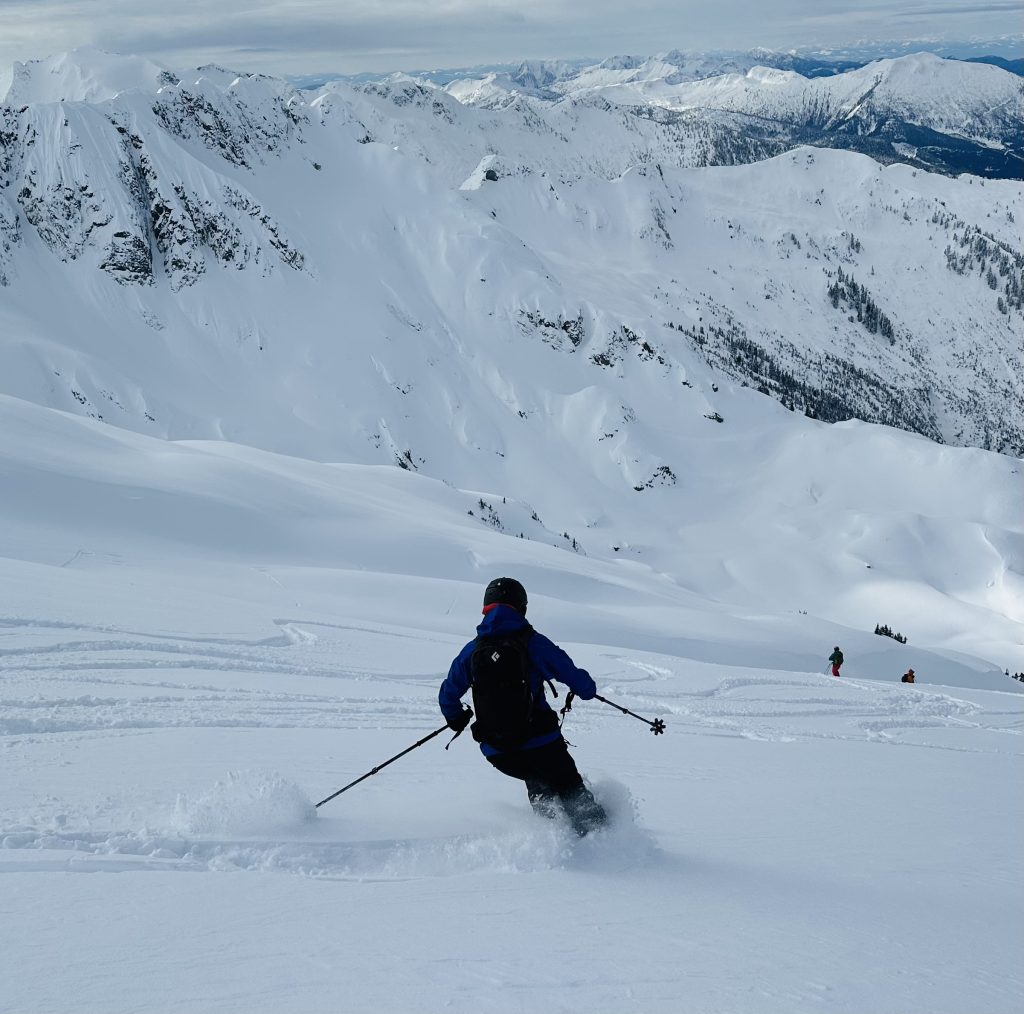
Mount Baker is a popular spring ski touring destination with quality corn snow staying cold during the springtime!
This will be an amazing trip as a single day push so please expect a long day up to 12-14 hours total including driving.
A higher level of fitness and stamina will be required for this trip as the route is in excess of 20km and will be over 2000 meters of elevation gain.
The actual skiing portion of close to 2000 vertical meters descent is actually not that difficult however it’s the overall stamina and route finding that is the crux of the day
2026 STGT graduates, as well as participants with the fitness and stamina and skills to add to the team success will be prioritized
*This trip will be cancelled should the weather and conditions are not suitable*
*If there are more competent volunteer experienced leaders that would like to help on this trip then we can increase the group size*
Route options:
- Squak Glacier
- Easton or Coleman-Demming backup
The following are minimumrequirements:
- Good attitude and a TEAM mindset
- Ability to ski Black runs off-piste
- AST1
- Intermediate ot above touring experience (ask if unsure)
- Glacier travel training (a practice day together before is ideal)
- Excellent fitness and stamina for the long day
- Winter/ snow experience
- We have skied together before to assess some of the above
Other:
- The weather forecast must be mostly clear for this trip to proceed. Ideally one or more melt-freeze cycles will have occured as well.
Risks and Hazards:
General Hazards:
Slips trips and falls indoor or outdoor. Equipment failure. Infectious disease contracted through viruses, bacteria, parasites, and fungi which may be transmitted through direct or indirect contact. Negligence of other persons, including other guests. Negligent first aid. Negligence of the guide Including failure to take reasonable steps to safeguard or protect you from, or warn you of risk, dangers, hazards, on participating in ACC activities.
Terrain:
Cornices and crevasses. Trees, tree wells, and tree stumps. Cliffs, creeks, rocks and boulders. Holes and depressions below the snow surface. Variable and difficult snow conditions. Snowcat roads and road ranks. Fences and other man-made structures. Impact or collision with other persons, vehicles or objects. Encounters with domestic or wild animals. Loss of balance or control. Becoming lost or separated from the group. Slips, trips, and falls.
Avalanche:
Avalanches can occur in the terrain you will be entering. Caused by natural forces, or by people travelling through the terrain (skiing/snowboarding). Anyone caught in an avalanche is at risk of personal injury, death, and/or property damage or loss.
Communication and Rescue:
Communication can be difficult and in the event of an accident, rescue and treatment may not be available. Adverse weather may also delay the arrival of treatment and transport out of the field. If an injury occurs in challenging terrain movement to an evacuation point may be slow.
Boots and Binding Systems:
Even when set up correctly, a ski binding might not release during every fall or may release unexpectedly. The ski boot/binding system is no guarantee that the skier will not be injured. Non-DIN-certified bindings, such as pin/tech bindings, present a higher risk of pre-release and/or injury as they are not designed to the same safety standards as a DIN-certified alpine binding.
Unlike alpine ski boot/binding systems, snowboard and some telemark boot/binding systems are not designed or intended to release and will not release under normal circumstances. Using such a system increases the risk of injury and/or death when caught in an avalanche.
Guest sign-up
Sign-ups are no longer available for this event.