
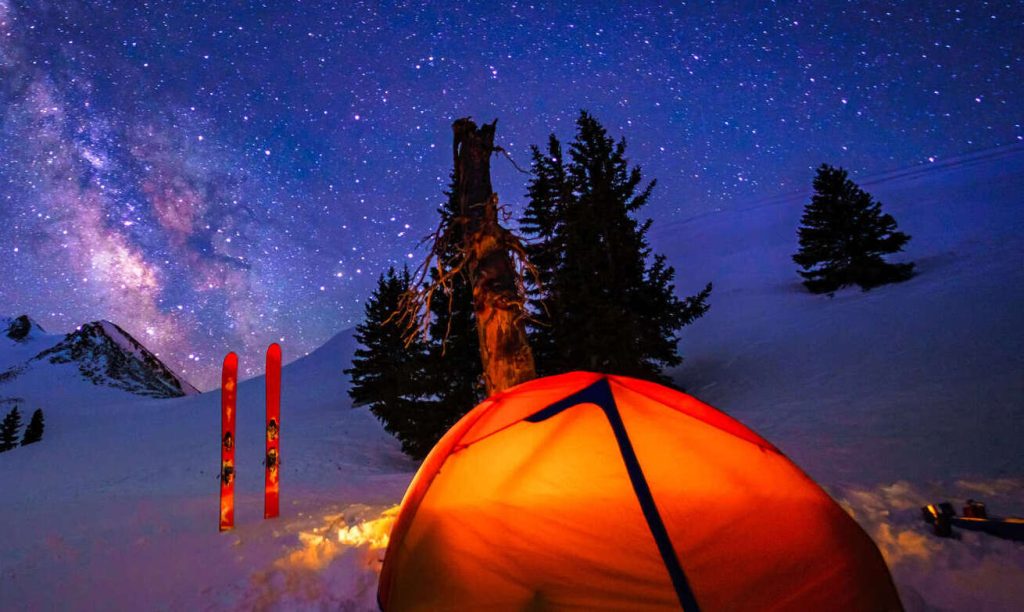
Winter Camping Shakedown Ski Camp – Elfin Lakes (Beginner friendly)

December 19th 2026


Description

One-night winter camping shakedown trip designed for backcountry skiers/splitboarders looking to test their gear, clothing, and sleep systems in a sub-alpine winter environment. Elfin Lakes is the ideal venue because it features reliable early-season snow, low-consequence ski terrain, and an excellent safety net with shelters along the route.

We will skin up at a modest, beginner-friendly pace, establish a proper snow camp, and use the afternoon to setup camp (digging platforms, melting snow) and get a few laps if conditions allow. On day 2 we will get a few more laps before breaking camp and heading home.

Once we get closer I may consider moving the location to Zoa or Manning if conditions are significantly better.

Potential hazards include:

  • Cold & Hypothermia
  • Avalanche Terrain
  • Weather & Visibility
  • Early Season Hazards
  • Limited Cell Coverage

Required Experience & Prerequisites

  • Fitness: Ability to skin 10 km with a heavy overnight winter pack gaining roughly 600m of elevation.
  • Skiing Ability: Comfortable skiing down variable, un-groomed snow (powder, crust, or packed trails) with a heavy pack.
  • Safety: AST-1 (Avalanche Skills Training Level 1) or equivalent.

Required Equipment

  • Backcountry Ski Setup: Alpine Touring (AT), Telemark, or Splitboard setup with climbing skins.
  • Avalanche Safety Gear: Transceiver, probe, and a snow shovel.
  • Sleep System: A 3 or 4-season tent (must be able to handle winter winds/snow), a sleeping bag hopefully rated to at least -10°C, and an insulated sleeping pad (or stacked pads). Note: The Elfin shelters are for emergency use only; you must be fully self-sufficient.
  • Winter Camping Stove: Liquid fuel (white gas) stove OR a canister stove capable of operating in sub-freezing temperatures.
  • Navigation & Safety: Headlamp with spare batteries, first-aid kit, and a whistle.
  • Logistics: A pre-purchased BC Parks Backcountry Camping Permit for Elfin Lakes for the night of Dec 19.

Recommended Items

  • Extra Insulation: A dedicated set of warm and dry layers especially for sleeping in.
  • Nalgene Bottle: A hard-sided water bottle (like a Nalgene) to fill with boiling water right before bed to use as a sleeping bag heater.
  • Ski Spares: compatible repair kit for binding fixes.

Guest sign-up

If you are a member, please log in before signing up to the event.

Participation in this activity is subject to the participant having signed the ACC Release of Liability, Waiver of Claims, Assumption of Risks Agreement (the "Waiver"). The Waiver is a legal document in which you waive or give up the right to sue or claim compensation following an accident. PLEASE READ IT CAREFULLY!

Non-members participating in this activity will be required to review and agree to the Waiver prior to participating in the activity. The current version of the Waiver can be viewed at https://alpineclubofcanada.ca/acc-waivers/. The Waiver will be presented for completion at the start of the activity.

ACTIVITY HAZARDS — MUST READ BEFORE REGISTERING

Participating in this activity involves many risks, dangers and hazards that could result in injury, death, paralysis, property damage, or loss to me or other third parties. These risks, dangers, and hazards may include, but are not limited to, those listed below. Please review them carefully before registering.

Avalanche: Avalanches can occur in the terrain in which we operate and can be caused by natural forces, or by people travelling through the terrain (e.g. skiing/snowboarding).

Uncontrolled terrain: Terrain is uncontrolled, unmarked and not inspected, and may include: cornices, crevasses, cliffs, trees, tree wells, forest deadfall, and tree stumps, creeks, rocks and boulders, holes and depressions below the snow surface, variable and difficult snow conditions, variable and difficult walking terrain, snowcat roads and road banks, fences and other man-made structures, snow immersion, impact or collision with other persons, vehicles or objects, extreme variation in trails or terrain, encounters with domestic or wild animals, loss of balance or control, slips, trips and falls, and becoming lost or separated from one's group.

Rockfall: Rockfall can be caused by natural forces, or by people travelling through the terrain (e.g. climbing/scrambling/hiking).

Falls and belaying: Rock climbing presents the risk of falling from the wall causing the climber to collide with the wall or ground, which can lead to injury or death. The risk of belay failure is also present, which can contribute to the risk of a ground fall. Equipment failure is also a risk, including equipment associated with climbing, rappelling and belaying.

Communication, rescue and medical treatment: Communication can be difficult, and in the event of an accident rescue and treatment may not be available. Adverse weather may also delay the arrival of treatment and transport out of the field. If an injury occurs in challenging terrain, movement to an evacuation point may be slow.

Boots and binding systems: Even when set up correctly, a ski binding might not release during every fall or may release unexpectedly. The ski boot/binding system is no guarantee that the skier will not be injured. Non-DIN-certified bindings, such as pin/tech bindings, present a higher risk of pre-release and/or injury as they are not designed to the same safety standards as a DIN-certified alpine binding.

Unlike alpine ski boot/binding systems, snowboard and some telemark boot/binding systems are not designed or intended to release and will not release under normal circumstances. Using such a system increases the risk of injury and/or death when caught in an avalanche.

Personal injury: Personal injury includes: sprains, strains, shock, stress, nausea, food-borne illness, diarrhea, burns, cuts, abrasions, fractured or broken bones, impalement, drowning, hypothermia, loss of limbs, frostbite, sunstroke, sunburn, dehydration, illness, soft tissue injuries, neck, head and brain injury, paralysis, psychological injury, and other injury to the body.

Helicopter risk: Helicopter risk applies to any programs involving a helicopter.

Other risks:
- Slips, trips and falls both outdoors and indoors
- Changing weather conditions including but not limited to high winds, lightning, and forest fires
- Effects of high altitude including pulmonary edema and cerebral edema
- Infectious disease contracted through viruses, bacteria, parasites, and fungi, which may be transmitted through direct or indirect contact
- Equipment failure
- Incomplete warnings or instructions
- Negligent first aid
- Negligence of other people, including the trip coordinator and other guests

This list summarizes the risks described in the ACC waiver. The waiver you sign is the governing document.